Custom Home Services LLC

Home Remodeling Contractor

Archives 2023

gray standard color book near green eraser

What To Expect When Having Your Home Renovated

A full renovation can be an exciting and transformative experience for homeowners. It allows you to reimagine and revitalize your living space, creating a home that truly reflects your style and needs. However, it’s essential to have a clear understanding of what to expect during the process to ensure a successful renovation. In this blog, we’ll walk you through what a homeowner can expect when having a full renovation completed.

  1. Planning and Design Phase

The first step in any renovation project is the planning and design phase. This involves discussing your vision with an architect or designer, creating detailed plans, and obtaining necessary permits. Expect to spend time brainstorming ideas, selecting materials, and finalizing the design concept before construction begins.

  1. Setting a Realistic Timeline

Renovations take time, and it’s important to have realistic expectations regarding the timeline. Factors such as the scope of work, size of the project, and availability of contractors can impact the duration of the renovation. Discuss the estimated timeline with your contractor and be prepared for potential delays due to unforeseen issues.

  1. Temporary Disruption of Living Space

A full renovation often means temporarily disrupting your living space. Depending on the extent of the project, you may need to move furniture, relocate to another part of the house, or even consider temporary accommodation. Prepare yourself for some inconvenience during the construction phase but remember that it’s a temporary situation with long-term benefits.

  1. Construction and Coordination

Once construction begins, your contractor will oversee the renovation process. Expect a team of professionals working in your home, including carpenters, electricians, plumbers, and other tradespeople. Your contractor will coordinate their schedules, ensuring smooth workflow and efficient progress.

  1. Regular Communication with the Contractor

Maintaining regular communication with your contractor is crucial throughout the renovation. Schedule regular check-ins to discuss progress, address any concerns, and make decisions regarding any unforeseen changes or modifications that may arise during construction.

  1. Budget Management

Keeping track of your budget is essential during a full renovation. Be prepared for unforeseen expenses or potential cost overruns due to unexpected issues that may arise during construction. Regularly review your budget with your contractor to ensure you stay within your financial limits.

  1. Quality Control and Inspections

As the renovation nears completion, your contractor will conduct quality control checks and inspections to ensure everything meets the agreed-upon standards. Be prepared for final walkthroughs, making note of any necessary adjustments or touch-ups before signing off on the project.

  1. Enjoying Your Newly Renovated Home

Once the construction is complete and you’ve given your final approval, it’s time to enjoy your newly renovated home! Take the time to appreciate the transformation and make it your own by adding personal touches and decor.

Remember, a full renovation is a significant undertaking, and unexpected challenges can arise. However, with proper planning, communication, and a reputable contractor, you can navigate the process smoothly. Stay patient, maintain open lines of communication, and keep your end goal in mind—a beautiful, functional, and refreshed living space that brings joy and comfort to you and your family.

house floor plan

The Residential Design-Build Process: From Vision to Dream Home

Embarking on a residential construction or renovation project is an exciting journey. However, navigating through the complexities of the process can be overwhelming. That’s where the design-build approach comes in—a streamlined and efficient method that seamlessly integrates design and construction. In this blog, we will walk you through the residential design-build process, highlighting its benefits and how it can turn your vision into your dream home.

  1. Initial Consultation and Needs Assessment:

The design-build process begins with an initial consultation where you meet with the design-build team to discuss your ideas, goals, and budget. During this phase, the team will assess your needs, lifestyle, and preferences to gain a comprehensive understanding of your project requirements.

  1. Conceptual Design and Collaboration:

Based on the gathered information, the design team gets to work, translating your vision into a tangible concept. Through collaboration and iterative discussions, they develop preliminary designs, floor plans, and architectural renderings. This stage involves active communication between you and the design team, ensuring that the design aligns with your expectations.

  1. Design Refinement and Approval:

Once the initial design concepts are presented, you have the opportunity to provide feedback and make any necessary revisions. The design team refines the plans, incorporating your ideas and preferences, and ensuring that all elements meet local building codes and regulations. The final design is then presented for your approval.

  1. Budgeting and Cost Estimation:

Simultaneously, during the design process, the design-build team works closely with estimators and contractors to develop an accurate cost estimate. This collaborative effort helps establish a realistic budget for the project, ensuring that your vision can be achieved within your financial parameters.

  1. Construction and Project Management:

Once the design is finalized and the budget is approved, the construction phase begins. With the design-build model, the transition from design to construction is seamless. The design team and construction crew work hand in hand, leveraging their expertise and close collaboration to bring the design to life.

Throughout the construction process, the design-build team takes care of all aspects, including scheduling, permits, material sourcing, and subcontractor coordination. Regular communication and project updates keep you informed and engaged in the progress of your project.

  1. Completion and Handover:

As the construction nears completion, the design-build team conducts thorough quality inspections to ensure that every detail meets the highest standards. Once the project passes the final inspection, it is time for the exciting moment of the handover—where your dream home becomes a reality. The design-build team presents you with the keys to your beautifully crafted and personalized space.

Conclusion:

The residential design-build process is a collaborative and integrated approach that simplifies the construction journey, offering numerous benefits. From the initial consultation to the final handover, the design-build model provides a seamless and efficient path to your dream home. With constant collaboration, expert guidance, and a single point of contact, you can confidently navigate the entire process, knowing that your vision and needs are at the forefront.

Embrace the residential design-build process, and let the experienced professionals at Custom Home Services transform your ideas into a stunning reality—creating a home that truly reflects your unique style and aspirations.

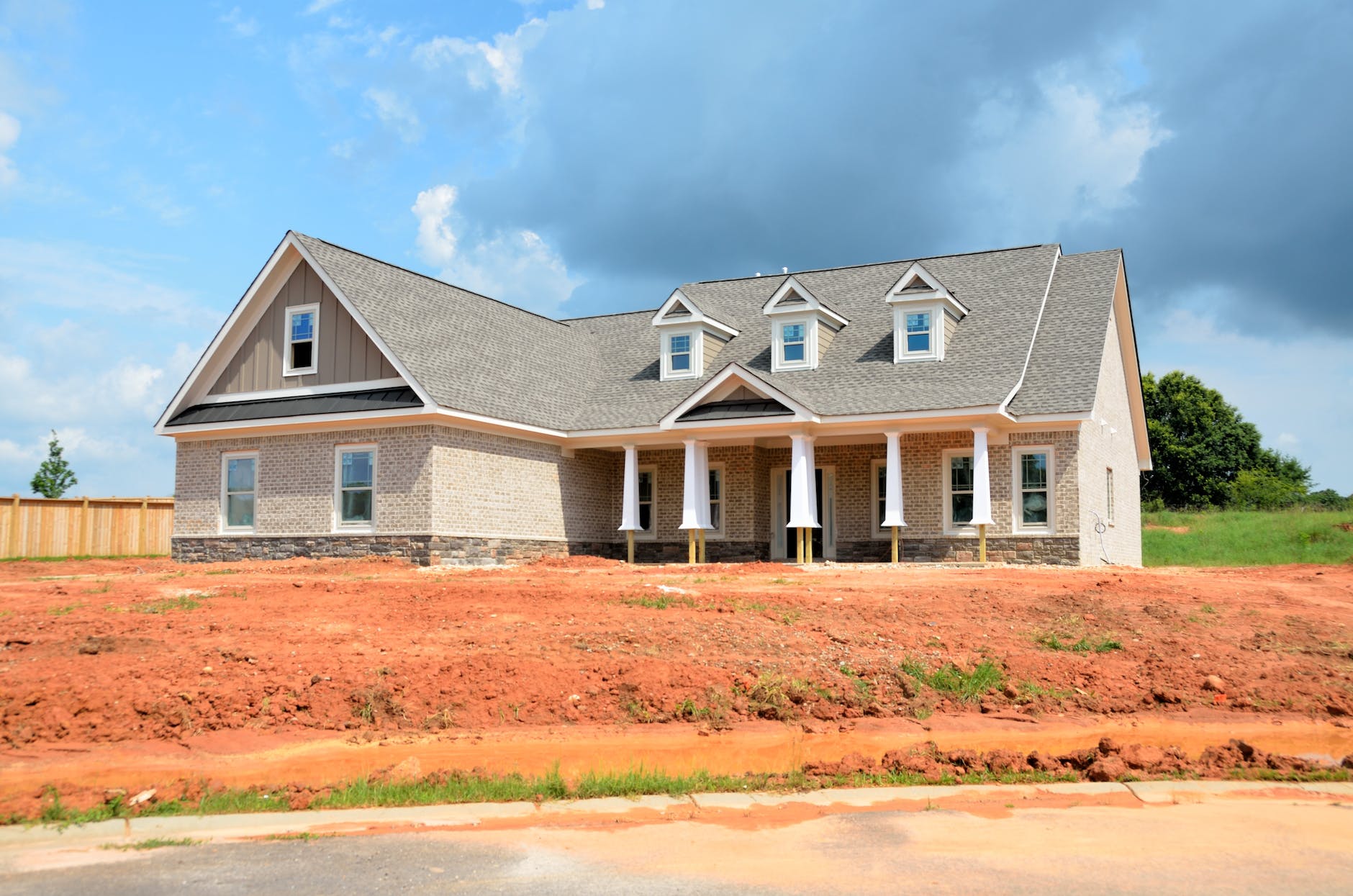
architecture build building construction

Typical New Construction Home Costs in Birmingham,Alabama

Birmingham, Alabama is one of the most vibrant cities in the southern United States, and it is no surprise that many people are interested in building new homes in this area. If you’re considering building a new home in Birmingham, one of the most important factors to consider is the cost of construction. In this blog, we will provide a general overview of the typical new construction costs in Birmingham, Alabama.

According to recent data from the U.S. Census Bureau, the average cost of building a new single-family home in Alabama is around $230,000. However, the cost of construction in Birmingham can vary depending on several factors such as location, size, materials, and level of customization.

The cost of construction in Birmingham is generally higher than the statewide average. According to HomeAdvisor, the average cost of building a new home in Birmingham ranges from $200 to $300 per square foot. Therefore, a 2,500 square foot home could cost anywhere from $500,000 to $750,000 to build.

The location of the home is an essential factor that affects the cost of construction in Birmingham. Building a home in a desirable neighborhood or a more urban area may be more expensive than building a home in a more rural area. In addition, the cost of land in Birmingham can also be a significant factor that affects the overall cost of construction.

The size of the home is also a crucial factor that affects the cost of construction in Birmingham. The larger the home, the more expensive it will be to build. The cost per square foot typically ranges from $200 to $300 in Birmingham. Therefore, building a smaller home can help keep the cost of construction down.

The materials used to build the home are also a significant factor that affects the cost of construction in Birmingham. High-end materials such as hardwood floors, granite countertops, and custom cabinetry will increase the cost of construction compared to using more affordable materials like laminate flooring and Formica countertops.

Lastly, the level of customization is another factor that affects the cost of construction in Birmingham. Building a custom home with unique features and finishes will increase the cost of construction compared to building a home using pre-designed plans.

In conclusion, the typical cost of building a new home in Birmingham, Alabama can range from $500,000 to $750,000 depending on the location, size, materials, and level of customization. Working with a reputable builder who can provide an accurate estimate of the cost of construction based on your specific needs and preferences is crucial. With careful planning and budgeting, building a new home in Birmingham can be a rewarding and exciting experience.

male constructor drawing draft on paper roll

Choosing The Right Contractor for Your Home Improvement Project

When it comes to home improvement projects, choosing the right contractor in Birmingham, Alabama is crucial to the success of your project. A good contractor can help you achieve your goals, while a bad one can lead to frustration, delays, and even financial loss. Here are some tips to help you choose the right contractor for your home improvement project.

  1. Define Your Project Goals

Before you start looking for a contractor, it’s important to define your project goals. What do you want to accomplish with your home improvement project? Are you looking to add more living space? Do you want to upgrade your kitchen or bathroom? The more specific you can be about your goals, the easier it will be to find a contractor who can help you achieve them.

  1. Ask for Referrals

One of the best ways to find a good contractor is to ask for referrals from friends, family, and neighbors. If someone you know has had a positive experience with a contractor, it’s more likely that you will too. You can also check online reviews and ratings to get an idea of a contractor’s reputation.

  1. Check Licenses and Insurance

Make sure the contractor you choose is properly licensed and insured. A licensed contractor has passed a test and met certain requirements to be able to work in your state. Insurance protects you if something goes wrong during the project, such as damage to your property or an injury to a worker.

  1. Interview Potential Contractors

Once you have a list of potential contractors, interview them to get a sense of their communication skills, experience, and work ethic. Ask questions about their experience with similar projects, how they handle unexpected issues, and what their timeline and budget expectations are for your project.

  1. Get Multiple Bids

Be sure to get multiple bids from different contractors. This will give you a sense of what the project should cost and help you avoid overpaying for the work. Keep in mind that the lowest bid isn’t always the best choice. Consider the contractor’s experience, reputation, and communication skills, as well as the cost of the project.

  1. Review the Contract

Once you’ve chosen a contractor, review the contract carefully before signing. Make sure it includes a detailed description of the project, a timeline, payment schedule, and any warranties or guarantees. Don’t hesitate to ask questions or negotiate terms if something doesn’t seem right.

Choosing the right contractor can be a daunting task, but with these tips, you’ll be more likely to find a contractor who can help you achieve your home improvement goals.

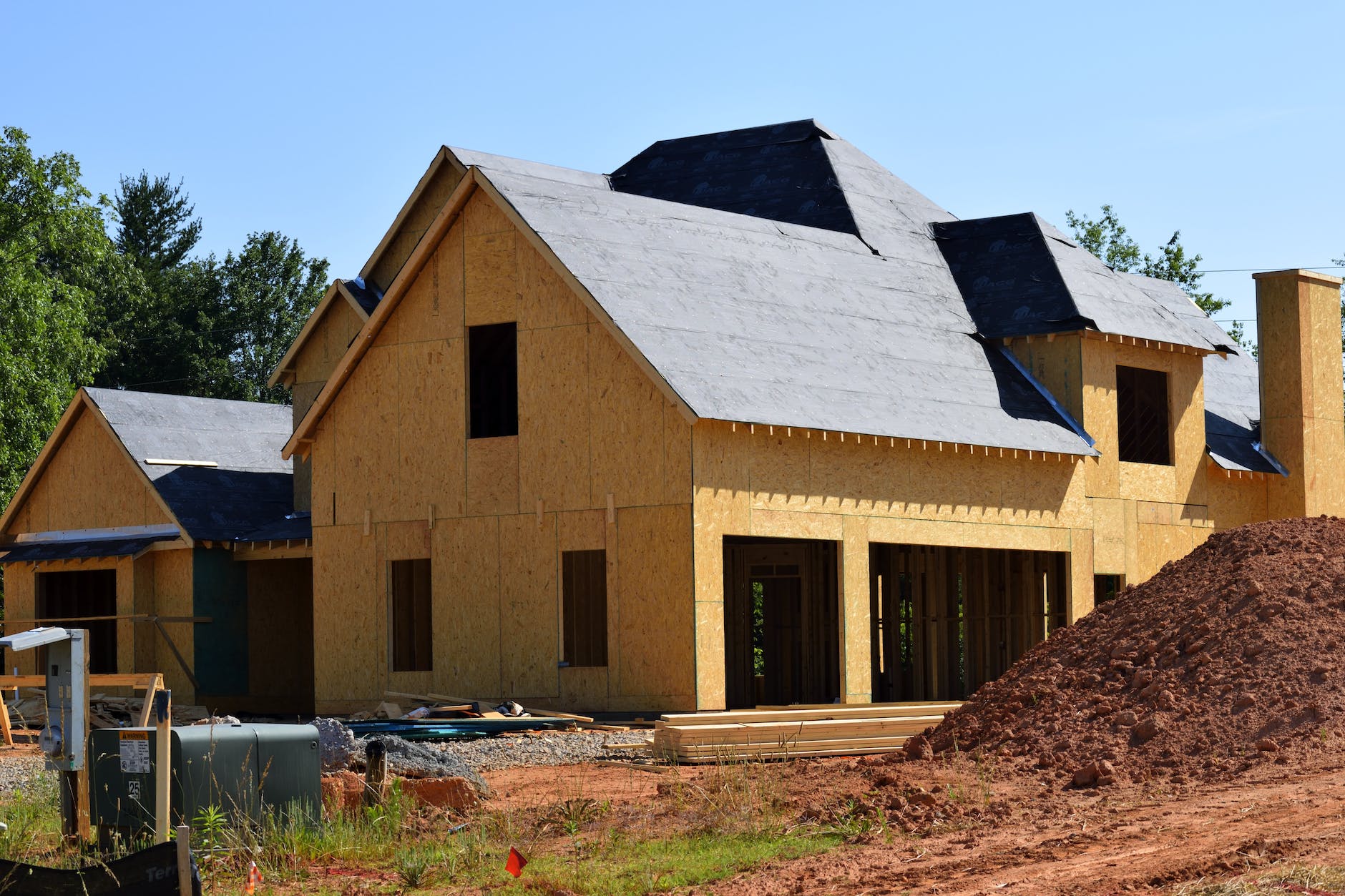
New Construction Home Under Blue Sky

Custom Home Construction: The Benefits and Potential Cons

When it comes to finding your dream home, one option that often comes to mind is building a custom home. Building a home from the ground up allows you to create a space that perfectly matches your vision and lifestyle. However, like any major decision, there are both pros and cons to consider. In this blog post, we will explore the advantages and disadvantages of building a custom home, helping you make an informed choice.

Benefits of Building a Custom Home

  1. Personalization and Customization
    One of the most significant advantages of building a custom home is the ability to personalize every aspect of your living space. From the layout and architectural design to the materials and finishes, you have complete control over the customization process. You can create a home that perfectly reflects your style, preferences, and specific needs. This level of personalization is often not possible when buying an existing home.
  2. Tailored to Your Lifestyle
    Building a custom home allows you to design spaces that are tailored to your lifestyle. You can incorporate features such as a home office, a dedicated entertainment room, a spacious kitchen, or any other specific requirements you may have. This flexibility ensures that your home functions optimally for you and your family’s unique needs.
  3. Energy Efficiency
    Building a custom home presents an excellent opportunity to integrate energy-efficient features. You can select sustainable building materials, install energy-efficient appliances, incorporate proper insulation, and choose environmentally friendly systems such as solar panels or geothermal heating. By designing an energy-efficient home, you can reduce your carbon footprint and potentially save on utility bills in the long run.
  4. Future-Proofing
    With a custom home, you have the advantage of future-proofing your living space. You can plan for future expansion or incorporate elements that will make it easier to accommodate changes in your family size or lifestyle. This foresight can save you the hassle and expense of extensive renovations or relocating in the future.

Cons of Building a Custom Home

  1. Cost and Budgeting
    Building a custom home typically comes with a higher price tag compared to buying an existing property. The cost of land, architectural design, permits, construction, and custom features can add up quickly. Additionally, unforeseen expenses may arise during the construction process. It is essential to have a well-defined budget and work closely with a reputable builder to ensure that your project stays within financial limits.
  2. Time and Patience
    Building a custom home requires significant time and patience. The design phase, obtaining permits, construction, and finalizing all the details can take several months or even years. Delays due to weather conditions, material availability, or other unforeseen circumstances can further extend the timeline. If you’re looking for a quick move-in, building a custom home may not be the best option for you.
  3. Decision Overload
    While the ability to customize is an advantage, it can also lead to decision overload. From selecting the architectural style to choosing fixtures, finishes, and colors, the number of choices can be overwhelming. It requires careful consideration and attention to detail, which may not be appealing to everyone. It’s important to be prepared for the decision-making process involved in building a custom home.
  4. Limited Resale Market
    Custom homes are often designed to fit the unique preferences and needs of their owners. While this is advantageous for personalization, it can create challenges if you decide to sell the property in the future. The pool of potential buyers may be limited, as not everyone may share the same taste or have the same requirements. It’s important to consider the long-term implications of building a highly customized home.

Conclusion

Building a custom home offers numerous benefits, such as personalization, tailored spaces, energy efficiency, and future-proofing. However, it also comes with drawbacks, including higher costs, time investment, decision overload, and potential challenges in the resale market. Before embarking on this journey, it is crucial to carefully evaluate your priorities, budget, and timeline. Working with experienced professionals throughout the process can help ensure a successful outcome that brings your dream home to life.

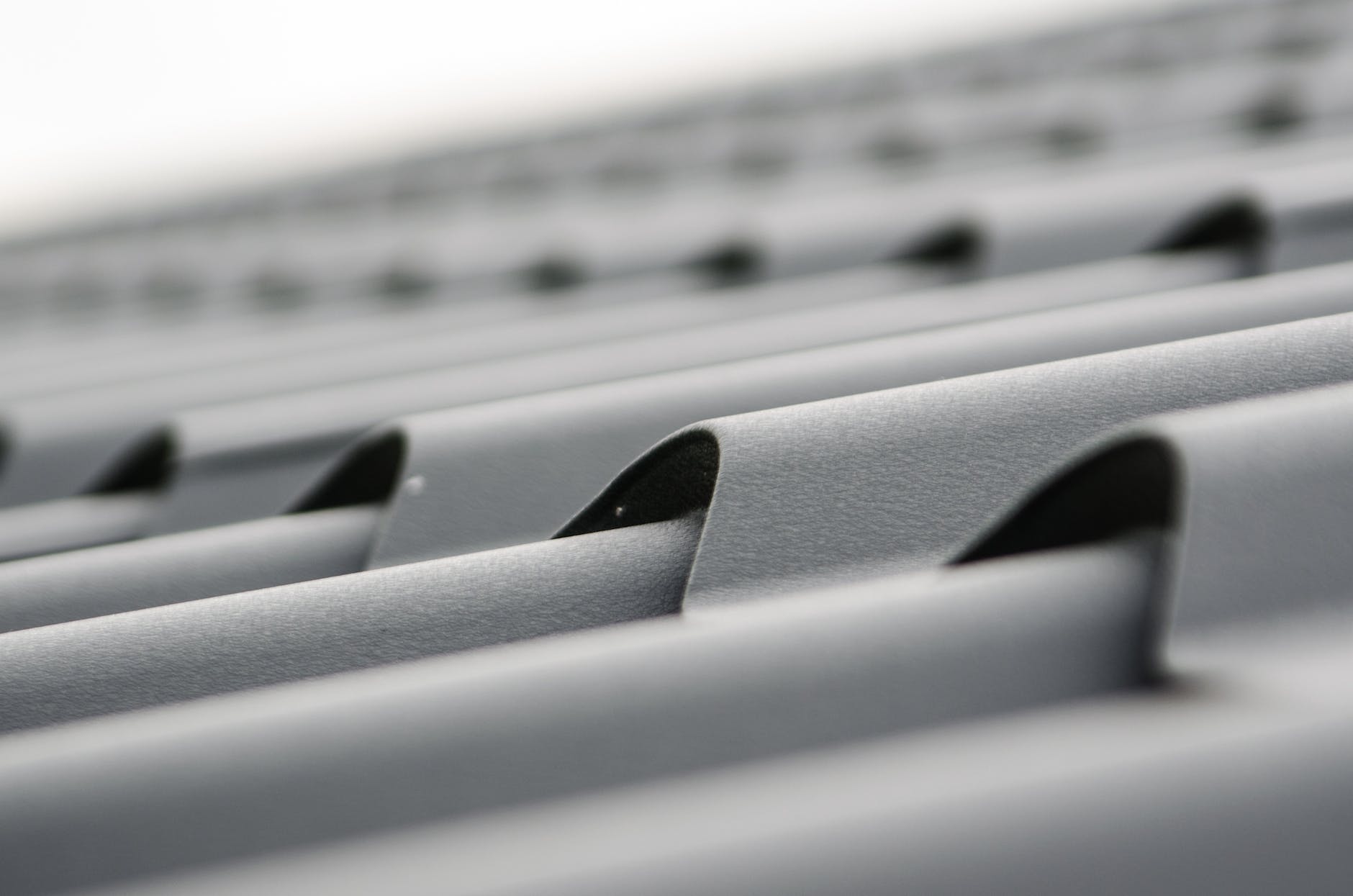
gray steel sheet

Metal Roofing: Durability, Energy Efficiency, and Style

Metal roofing has emerged as a popular choice among homeowners seeking a durable, energy-efficient, and aesthetically pleasing roofing solution. With its numerous advantages and growing variety of options, metal roofing offers a reliable and long-lasting investment for residential properties.

One of the key benefits of metal roofing is its exceptional durability. Metal roofs can withstand extreme weather conditions, including high winds, heavy rain, and snow. They are resistant to cracking, warping, and corrosion, which contributes to their longevity. Unlike traditional asphalt shingles that may require frequent replacement, metal roofs can last 40 to 70 years or even more with proper maintenance, reducing the need for costly repairs and replacements over time.

Energy efficiency is another significant advantage of metal roofing. Metal roofs are highly reflective, meaning they reflect a significant portion of the sun’s heat away from the home. This helps keep the interior cooler, reducing the need for excessive air conditioning and lowering energy costs during hot summers. Some metal roofs can also be installed with insulation, further improving energy efficiency and comfort.

In terms of style, metal roofs offer a wide range of options to suit various architectural designs and personal preferences. From standing seam roofs with sleek, vertical seams to metal tiles that resemble traditional clay or concrete tiles, homeowners can find a metal roofing style that complements their home’s aesthetic. Metal shakes, which mimic the look of wood shakes, provide a classic and rustic charm without the maintenance requirements associated with natural wood.

Apart from their functional advantages, metal roofs are also environmentally sustainable. They are often made from recycled materials and can be fully recycled at the end of their lifespan. Additionally, their energy efficiency contributes to reduced energy consumption and a smaller carbon footprint, making them a greener choice compared to other roofing materials.

When considering a metal roof, it’s essential to consult with roofing professionals who specialize in metal roofing installation. They can assess your specific needs, offer expert advice, and ensure a proper installation that maximizes the benefits of metal roofing.

In conclusion, metal roofing has become a popular roofing option for homeowners due to its durability, energy efficiency, and style. With its long lifespan, resistance to weather elements, and reduced energy costs, metal roofs offer homeowners a reliable and sustainable roofing solution that adds value and protection to their homes.

rectangular white wooden dining table with six chairs set

5 Key Design Trends for Modern Homes in 2023

This year, there are many exciting design trends that will shape the look and feel of modern homes. From sustainable materials to technology-driven features, the following five design trends are expected to be particularly prominent in the coming year.

  1. Sustainable Materials and Practices
    As awareness of the environmental impact of homebuilding grows, more and more homeowners are seeking out sustainable materials and practices. In 2023, we can expect to see an even greater emphasis on eco-friendly design, with a focus on using materials that are renewable, recycled, or otherwise environmentally friendly. This might include materials like reclaimed wood, recycled glass, or bamboo, as well as features like green roofs and solar panels.
  2. Multi-Functional Spaces
    With more people working from home than ever before, there is a growing need for flexible, multi-functional spaces that can serve a variety of purposes. In 2023, we can expect to see a greater emphasis on spaces that can easily transition from work to play, such as open-concept living areas that can double as home offices, or outdoor spaces that can be used for both relaxation and entertaining.
  3. Smart Home Technology
    As technology continues to advance, more and more homeowners are incorporating smart home technology into their designs. In 2023, we can expect to see an even greater emphasis on features like smart thermostats, automated lighting, and voice-activated assistants, as well as the integration of smart home technology with other household systems like security and entertainment.
  4. Biophilic Design
    Biophilic design is a concept that emphasizes the connection between people and nature, and it is becoming increasingly popular in modern home design. In 2023, we can expect to see more homes incorporating natural elements like plants, water features, and natural light, as well as features like green walls and living roofs.
  5. Industrial Style
    Industrial style has been a popular design trend for several years now, and it shows no signs of slowing down in 2023. We can expect to see more homes incorporating raw, unfinished materials like concrete and metal, as well as features like exposed brick and ductwork. This style is characterized by a minimalist aesthetic, with a focus on function over form.

In 2023, these five design trends are expected to be particularly prominent in modern home design. Whether you’re building a new home or renovating an existing one, incorporating these trends into your design can help ensure that your home is both stylish and functional for years to come.